NOx Sensor Repair for Diesel Drivers in Grays, Essex
Vogue Fix My Motor diagnoses and repairs faulty NOx sensors for Grays diesel drivers, resolving emissions warning lights and restoring correct engine performance.
Enter your registration for a free instant quote
Don't have the Reg?
Find vehicle manually
Reviews
Alison P.
4 days ago
Persistent emissions warning finally diagnosed correctly as a NOx sensor fault. Fixed properly rather than just cleared and returned.
Derek W.
23 days ago
Reduced power mode traced to a faulty NOx sensor, not the turbo I'd feared. Relieved it was a straightforward fix.
Fiona A.
15 days ago
Explained clearly which sensor had failed and why it mattered for my MOT. Genuinely informative, not just a quick swap.
Michael C.
18 days ago
Quick diagnosis and repair before my MOT was due. Passed with no advisories related to the emissions system.
Genuine Parts for Prestige Engine Rebuilds
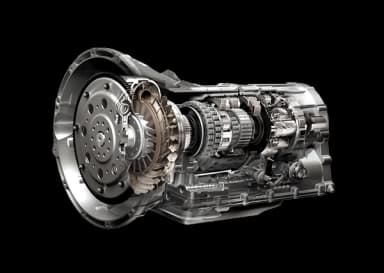
Transmission
Guarantee smooth gear shifts with our transmission services.
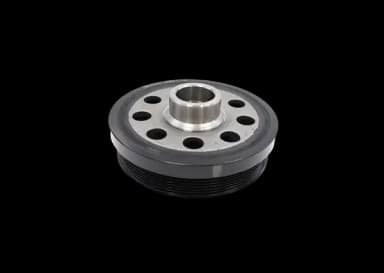
Crankshaft Pulley
Maintain engine efficiency with our precision crankshaft pulley installations.
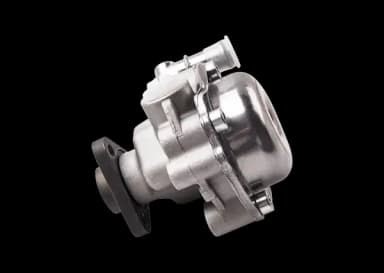
Power Steering Pump
Achieve smoother handling with our power steering pump replacements.
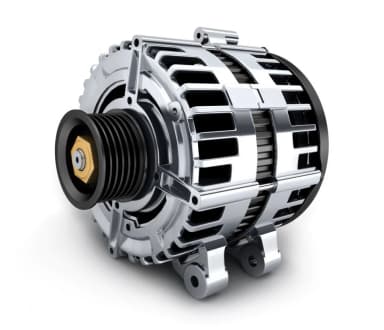
Alternator
Restore vehicle’s electrical performance with our alternator service.
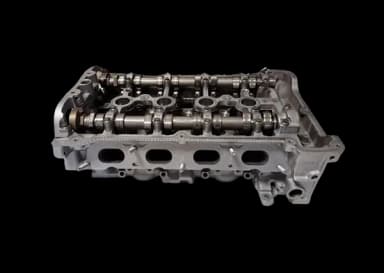
Cylinder Head
Enhance power and efficiency with our high-quality cylinder head replacements.
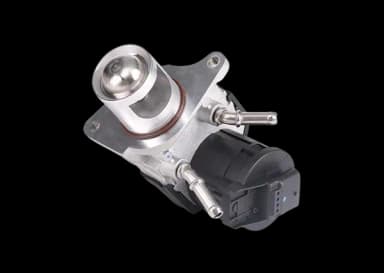
EGR Valve
Improve emissions & engine performance with our EGR valve replacements.
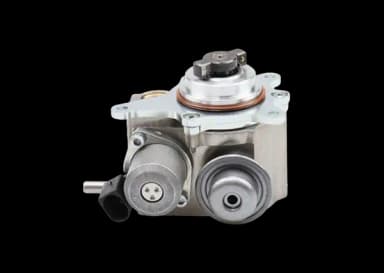
High Pressure Fuel Pump
Increase fuel delivery efficiency with our high-pressure fuel pump services.
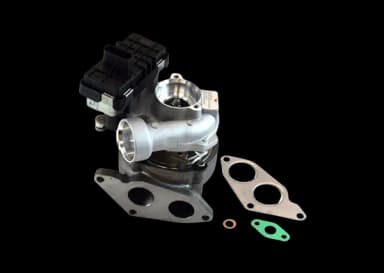
Turbo
Increase your vehicle’s power with our precision-engineered turbo installations.
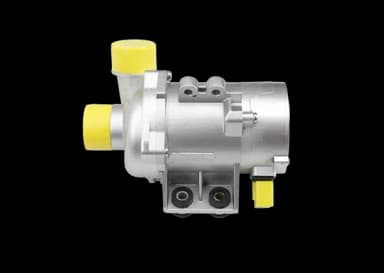
Water Pump
Keep engine cool and running smoothly with our water pump service.
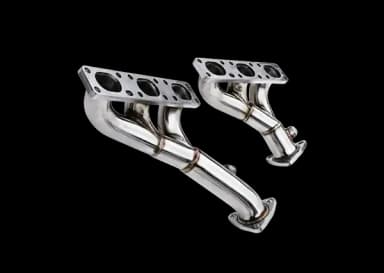
Exhaust Manifold
Boost engine efficiency with our tailored exhaust manifold replacements.
What Actually Happens During NOx Sensor Diagnosis
A NOx sensor fault often triggers a warning light or reduced performance, and getting to the actual cause requires more than simply reading the fault code. We start with a full diagnostic scan to identify which sensor is implicated, since most modern diesels use more than one NOx sensor positioned at different points in the exhaust system. From there, we test the sensor's actual readings against expected values, rather than assuming the code alone confirms the fault. Wiring and connectors are checked alongside the sensor itself, since a wiring fault can sometimes mimic a failed sensor. Once confirmed, we replace the faulty component and verify correct operation before returning your vehicle. This thorough approach avoids replacing a sensor that wasn't actually the cause of the problem.
Signs of a Faulty NOx Sensor Worth Investigating
NOx sensor faults don't always announce themselves clearly, but there are recognisable patterns worth acting on rather than ignoring. A persistent emissions or engine warning light, a noticeable drop in power, increased fuel consumption, or the vehicle entering a restricted performance mode can all indicate a NOx sensor issue. In some cases, the vehicle may also fail to reach expected motorway speeds. These symptoms can overlap with other emissions-related faults, which is why proper diagnosis matters rather than assuming a NOx sensor is automatically responsible. Investigating promptly rather than continuing to drive with the warning present helps avoid the issue affecting other emissions components over time.
How NOx Sensor Faults Connect to Your AdBlue System
NOx sensors and AdBlue systems work closely together, which means a fault in one area can sometimes present symptoms that initially look like a problem with the other. The NOx sensor's readings directly influence how much AdBlue the engine management system doses into the exhaust, so an inaccurate sensor reading can lead to incorrect dosing even when the AdBlue system itself is functioning correctly. This is why we check both systems together when investigating a related fault. Diagnosing the two systems in tandem avoids replacing AdBlue components unnecessarily when the actual fault lies with a sensor, or vice versa. That combined approach saves cost and gets to the genuine cause more reliably.
Why a Faulty NOx Sensor Can Affect Your MOT
Emissions-related faults, including a failed NOx sensor, can directly affect whether your vehicle passes its MOT, particularly on diesel models subject to stricter emissions testing. A malfunction indicator light related to emissions systems, including NOx sensor faults, is generally treated as a reason for MOT failure rather than a minor advisory. This means an unresolved sensor fault can leave you without a valid MOT until it's properly repaired. Addressing a NOx sensor fault before your test, rather than hoping it goes unnoticed, avoids an unnecessary failure and the inconvenience of arranging a retest. We can check sensor condition ahead of your MOT to catch this before it becomes an issue on test day.
NOx Sensor Considerations for Range Rover and Land Rover Diesels
Modern Range Rover and Land Rover diesel engines use multiple NOx sensors as part of their emissions control systems, and understanding model-specific sensor positioning matters for accurate diagnosis. Sensor access and replacement procedures can vary between engine variants, and using the correct part specification is essential for accurate readings once fitted. Generic aftermarket sensors that don't match manufacturer specification can sometimes cause ongoing inaccurate readings even after replacement. Our technicians work with correctly specified sensors and manufacturer-level diagnostic access for these platforms, ensuring the repair genuinely resolves the fault rather than introducing a new inconsistency. That attention to detail is essential for getting these repairs right the first time.
Can You Keep Driving With a Faulty NOx Sensor?
It's a question we're asked often, and while a NOx sensor fault isn't usually an immediate safety issue, continuing to drive with it unresolved does carry genuine downsides. Beyond the risk of an MOT failure, an uncorrected sensor fault can lead to incorrect AdBlue dosing over time, potentially causing wear or fouling in related emissions components that weren't originally the problem. Addressing the fault promptly avoids these secondary complications and the higher repair cost they can bring.
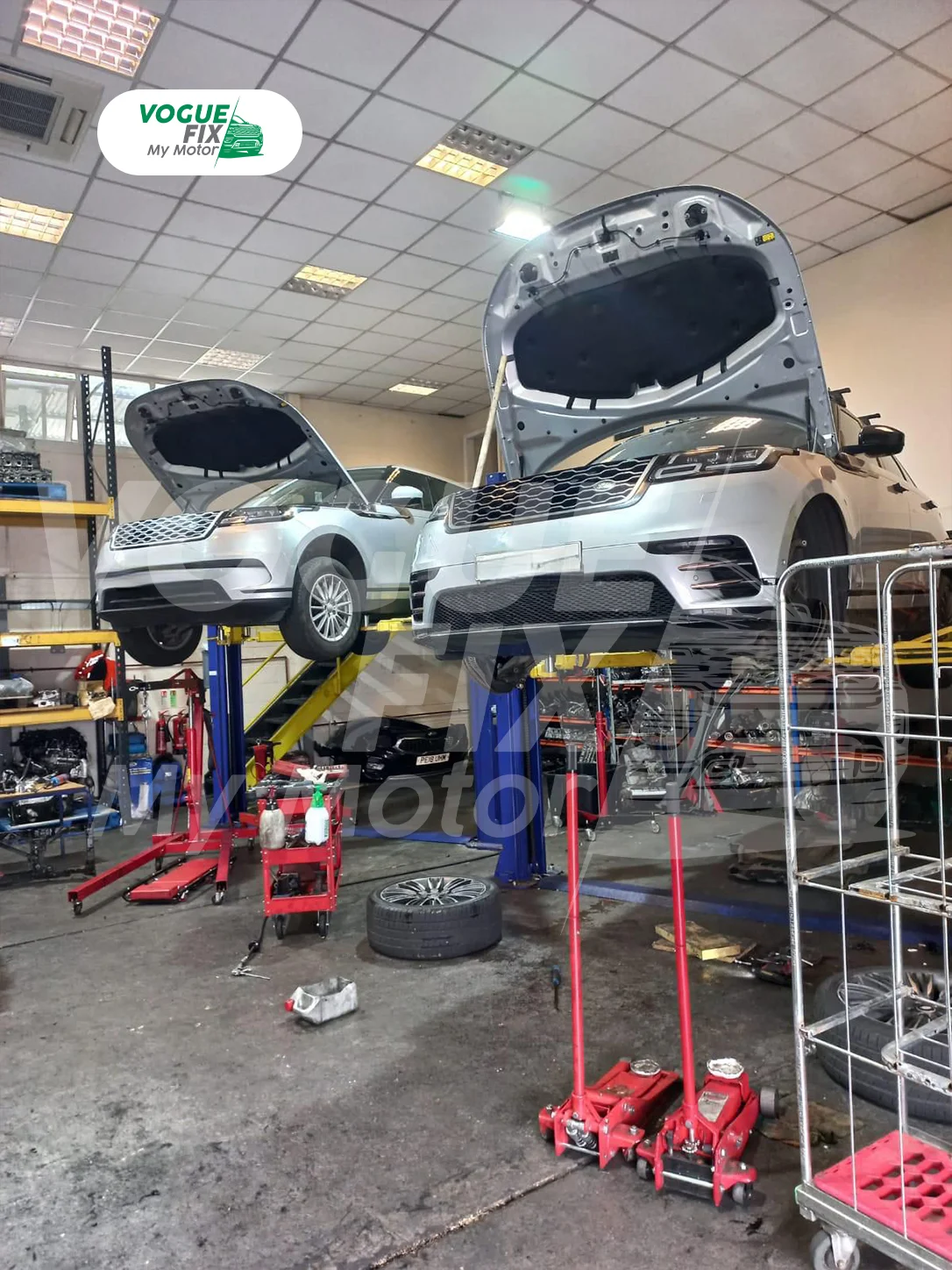
What Does a NOx Sensor Actually Do
A NOx sensor monitors nitrogen oxide levels in your exhaust system, playing a key role in how modern diesel engines manage and reduce harmful emissions.
Positioned at specific points before and after the exhaust treatment system, these sensors feed data back to the engine management system, allowing it to adjust AdBlue dosing and other emissions controls accordingly. When a sensor fails or gives inaccurate readings, this process breaks down.
The result is often a warning light, reduced engine performance, or in some cases the vehicle entering a protective limp mode to minimise emissions until the fault is addressed.
Understanding this role helps explain why a seemingly small sensor fault can have a noticeable effect on how your vehicle drives.
Book Your NOx Sensor Diagnosis in Grays
If your Range Rover, BMW, Audi or Land Rover is showing early signs of engine trouble, don't leave it until it becomes a major repair. Our specialists offer same-day diagnostics with a clear, honest quote to follow. Early diagnosis almost always costs less than waiting, and it protects your engine's long-term reliability.
Frequently Asked Questions
What does a NOx sensor do?
What are the signs of a faulty NOx sensor?
How much does NOx sensor repair cost?
Can a faulty NOx sensor fail an MOT?
Do you repair NOx sensors for all makes and models?
Is a NOx sensor fault the same as an AdBlue fault?
Latest Videos from Vogue Fix My Motor
See our engine repairs, customer feedback, and workshop updates from our Grays, Essex garage.

Range Rover Engine Repair | Vogue Fix My Motor | Grays Essex
Mar 15 2025

Ford Kuga Engine Rebuild | Customer Feedback | Vogue Fix My Motor
Jul 1 2025
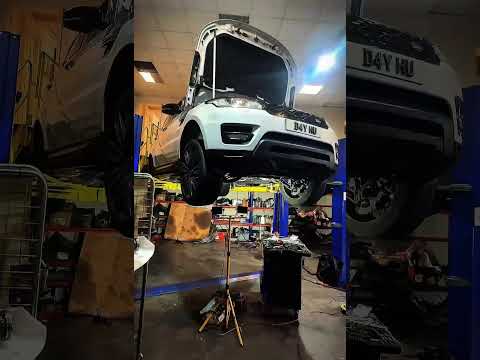
Workshop Tour | Range Rover Engine Specialist | Vogue Fix My Motor
Jan 30 2026

Range Rover Engine Problems Resolved | Customer Review | Vogue Fix My Motor
Jul 12 2023
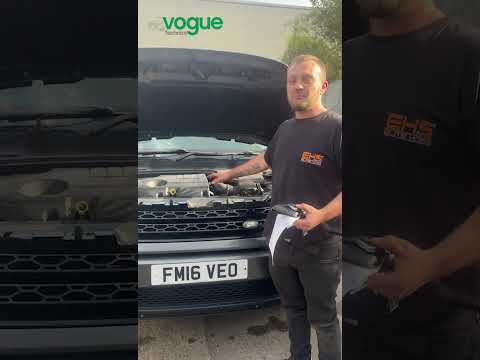
Range Rover Timing Chain Repair | Happy Customer | Vogue Fix My Motor
Aug 4 2025

Range Rover Evoque Engine Repair | Customer Feedback | Vogue Fix My Motor
Jun 2 2025

Feel Free to call us in working hours Mon -Fri (9:00 AM –– 6:00 PM). Our team will be happy to help answer your queries
Services
Work Hours
9 AM - 6 PM, Monday - Friday
7AM - 2 PM , Saturday[email protected]
-
Unit 1D Hedley Ave, Grays RM20 4EL United Kingdom
Copyright © 2026 voguefixmymotor