Wet Belt Replacement for Grays and Essex Drivers
Vogue Fix My Motor specialises in wet belt replacement for Grays drivers, addressing one of the most misunderstood and potentially damaging faults on modern engines.
Enter your registration for a free instant quote
Don't have the Reg?
Find vehicle manually
Reviews
Martin O.
5 days ago
Had no idea my Evoque had a wet belt until they explained it during a service. Caught early wear before it caused real damage.
Sonia R.
10 days ago
Full wet belt replacement with an oil flush included. Explained exactly why the flush mattered, not just an upsell.
Brian F.
12 days ago
Metal fragments found in the oil during a routine check. Glad they caught it before the engine was seriously damaged.
Yasmin Q.
5 months ago
Genuinely knowledgeable about wet belt engines, unlike a couple of garages I tried before. Clear, honest advice throughout.
Genuine Parts for Prestige Engine Rebuilds
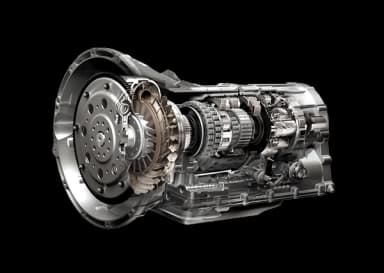
Transmission
Guarantee smooth gear shifts with our transmission services.
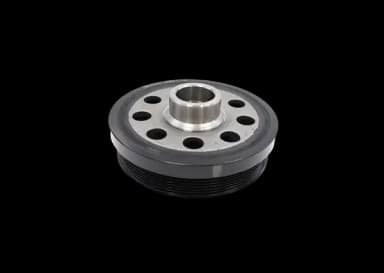
Crankshaft Pulley
Maintain engine efficiency with our precision crankshaft pulley installations.
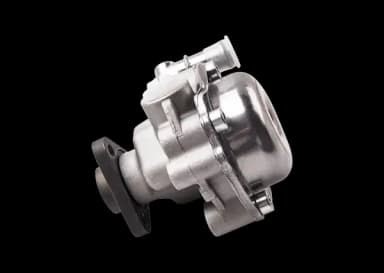
Power Steering Pump
Achieve smoother handling with our power steering pump replacements.
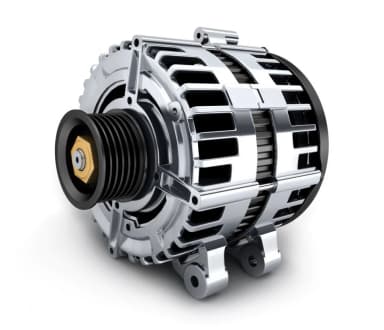
Alternator
Restore vehicle’s electrical performance with our alternator service.
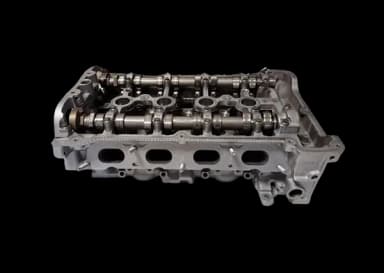
Cylinder Head
Enhance power and efficiency with our high-quality cylinder head replacements.
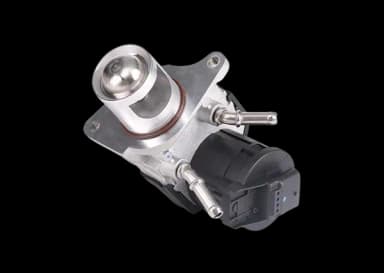
EGR Valve
Improve emissions & engine performance with our EGR valve replacements.
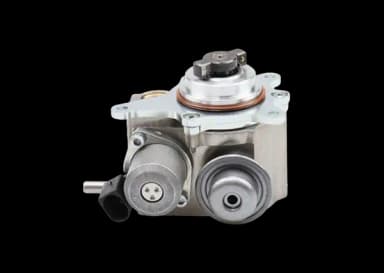
High Pressure Fuel Pump
Increase fuel delivery efficiency with our high-pressure fuel pump services.
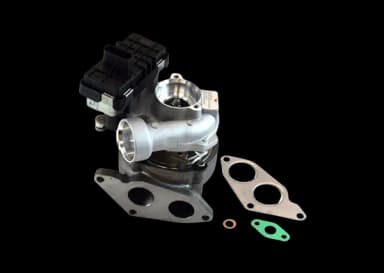
Turbo
Increase your vehicle’s power with our precision-engineered turbo installations.
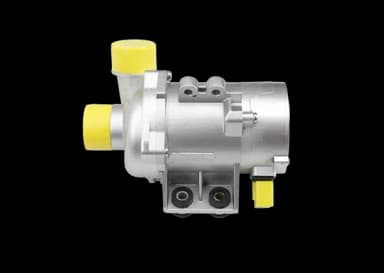
Water Pump
Keep engine cool and running smoothly with our water pump service.
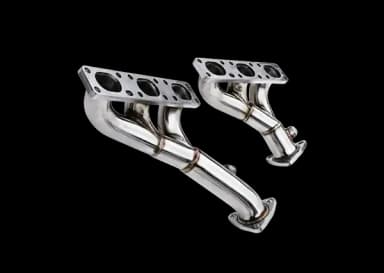
Exhaust Manifold
Boost engine efficiency with our tailored exhaust manifold replacements.
What Actually Happens During Wet Belt Replacement
Wet belt replacement is a more involved job than a conventional dry belt, largely because the belt itself sits inside the engine, immersed in oil. We begin by draining the oil and accessing the belt housing, checking for any visible signs of degradation or debris already present in the oil. The old belt, tensioner, and pulleys are removed and inspected closely for wear patterns. A new belt is fitted to exact specification, and depending on condition, a full oil flush is carried out to clear any contamination from the system before fresh oil goes in. This thorough approach protects the engine from residual debris that a simple belt swap alone wouldn't address.
Why Wet Belts Fail Differently to Conventional Belts
A wet belt's design fundamentally changes how it wears and, more importantly, how that wear affects the rest of the engine. Sitting inside the engine oil rather than outside it, a wet belt can begin shedding small rubber particles into the oil system as it degrades, well before outright failure. This debris can then travel through the oil system, potentially blocking oil pickups or restricting flow to critical components. This is quite different from a conventional dry belt, which typically fails without contaminating anything beyond itself. Understanding this difference is exactly why wet belt inspection needs to look at oil condition, not just the belt's physical appearance.
Signs Your Wet Belt May Be Wearing Prematurely
Wet belts can degrade without an obvious external symptom for some time, which is part of what makes them genuinely tricky to monitor without the right approach. Subtle changes in oil pressure, unusual engine noise, or dark, gritty-looking oil during a routine check can all indicate early belt degradation. In some cases, there are no noticeable symptoms at all until debris has already caused a secondary issue elsewhere. This is why we check oil condition specifically for signs of belt material during servicing on affected engines, rather than relying purely on mileage or waiting for a symptom to appear. Catching this early is significantly cheaper than addressing the consequences later.
Why an Oil Flush Matters After Wet Belt Wear
Replacing a worn wet belt without addressing contamination already present in the oil system leaves a serious risk unresolved, even with a brand-new belt fitted. Shed belt material can remain circulating in the oil or settled in the sump, oil pump, or pickup, potentially causing blockages or premature wear on components the new belt has nothing to do with. A thorough flush clears this debris before it causes secondary damage. We assess contamination levels during every wet belt replacement and recommend a full flush wherever there's evidence of shed material, rather than treating it as an optional extra. That step protects the investment you've just made in the new belt itself.
Wet Belt Intervals and Why They Differ From Standard Belts
Manufacturer intervals for wet belts often differ from conventional timing belts, and in some cases, real-world experience has shown they need attention sooner than originally specified. Because wet belts degrade differently — through oil exposure rather than heat and age alone — some engines have seen belts wear faster than initial guidance suggested, prompting revised recommendations from manufacturers over time. We stay current with the latest guidance for each affected engine, rather than relying solely on original specifications that may since have been updated. That up-to-date knowledge is essential for genuinely protecting these engines rather than following outdated intervals.
Wet Belt Considerations for Land Rover Ingenium Engines
Certain Land Rover Ingenium engines use a wet belt design, and understanding the specific concerns for these engines is central to servicing them properly. Given the cost and complexity of these engines, catching wet belt wear early carries particular importance, since the consequences of debris reaching the oil pump or bearings can mean extensive engine damage. We pay close attention to oil condition during every service on affected Ingenium models. Our technicians stay informed on manufacturer updates specific to these engines, ensuring your Land Rover receives the attention this known issue genuinely requires. That specialist focus is central to protecting these engines through their full service life.
What Happens If Wet Belt Debris Reaches the Oil Pump
If shed belt material makes its way into the oil pump or its pickup, the consequences can extend well beyond the cost of the belt replacement itself. Restricted oil flow starves the engine's bearings and other critical components of lubrication, which can lead to serious internal damage that's considerably more expensive to repair than a timely belt replacement. Addressing suspected wet belt wear promptly, rather than waiting for a scheduled interval, is the most reliable way to avoid this outcome entirely.
Why Wet Belts Fail Differently to Conventional Belts
A wet belt's design fundamentally changes how it wears and, more importantly, how that wear affects the rest of the engine.
Sitting inside the engine oil rather than outside it, a wet belt can begin shedding small rubber particles into the oil system as it degrades, well before outright failure. This debris can then travel through the oil system, potentially blocking oil pickups or restricting flow to critical components.
This is quite different from a conventional dry belt, which typically fails without contaminating anything beyond itself.
Understanding this difference is exactly why wet belt inspection needs to look at oil condition, not just the belt's physical appearance.
Book Your Wet Belt Inspection
Protect your engine from a known and often misunderstood risk with a proper wet belt inspection or replacement at our specialist Grays workshop.
Frequently Asked Questions
What is a wet belt and why does it fail?
How often should a wet belt be replaced?
How much does wet belt replacement cost?
Which cars have a wet timing belt?
Do you replace wet belts for all makes and models?
Do I need an oil flush after a wet belt replacement?
Latest Videos from Vogue Fix My Motor
See our engine repairs, customer feedback, and workshop updates from our Grays, Essex garage.

Range Rover Engine Repair | Vogue Fix My Motor | Grays Essex
Mar 15 2025

Ford Kuga Engine Rebuild | Customer Feedback | Vogue Fix My Motor
Jul 1 2025
Workshop Tour | Range Rover Engine Specialist | Vogue Fix My Motor
Jan 30 2026

Range Rover Engine Problems Resolved | Customer Review | Vogue Fix My Motor
Jul 12 2023
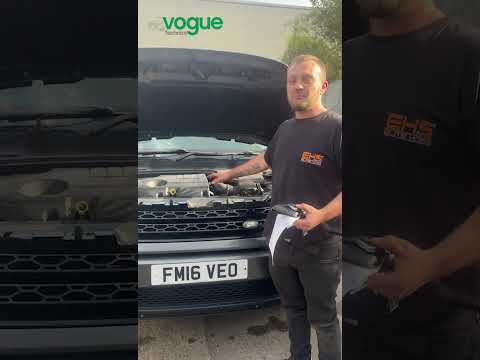
Range Rover Timing Chain Repair | Happy Customer | Vogue Fix My Motor
Aug 4 2025

Range Rover Evoque Engine Repair | Customer Feedback | Vogue Fix My Motor
Jun 2 2025

Feel Free to call us in working hours Mon -Fri (9:00 AM –– 6:00 PM). Our team will be happy to help answer your queries
Services
Work Hours
9 AM - 6 PM, Monday - Friday
7AM - 2 PM , Saturday[email protected]
-
Unit 1D Hedley Ave, Grays RM20 4EL United Kingdom
Copyright © 2026 voguefixmymotor