Timing Belt Replacement for Grays and Essex Drivers
Vogue Fix My Motor replaces timing belts to manufacturer specification for Grays drivers, protecting your engine from the serious damage a worn or snapped belt can cause.
Enter your registration for a free instant quote
Don't have the Reg?
Find vehicle manually
Reviews
Andrew S.
6 days ago
Cambelt replaced right at the recommended interval, no pressure to delay or skip it. Peace of mind for a fair price.
Nicola V.
14 days ago
Full kit replacement including water pump and tensioners in one visit. Explained exactly why it's worth doing together.
Simon P.
9 days ago
Booked in after finding out my Discovery's belt was overdue. Sorted quickly before it became a serious problem.
Rebecca H.
19 days ago
Clear explanation of the interval and why it mattered for my specific engine. Genuinely reassuring, not just a sales pitch.
Genuine Parts for Prestige Engine Rebuilds
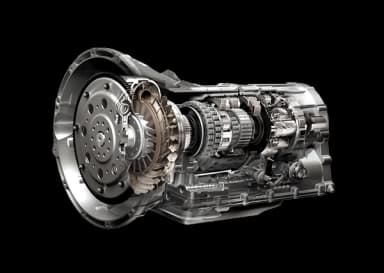
Transmission
Guarantee smooth gear shifts with our transmission services.
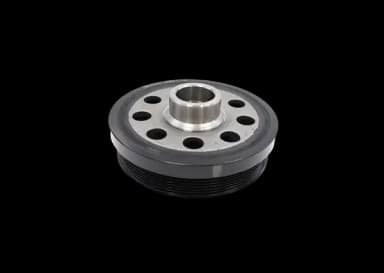
Crankshaft Pulley
Maintain engine efficiency with our precision crankshaft pulley installations.
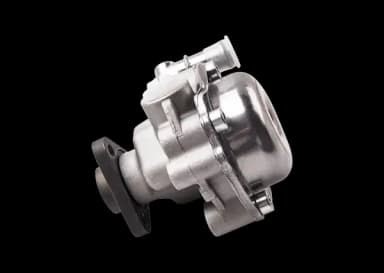
Power Steering Pump
Achieve smoother handling with our power steering pump replacements.
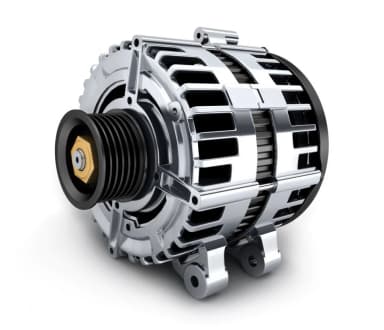
Alternator
Restore vehicle’s electrical performance with our alternator service.
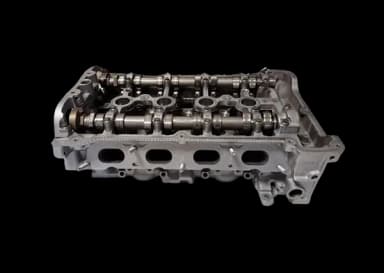
Cylinder Head
Enhance power and efficiency with our high-quality cylinder head replacements.
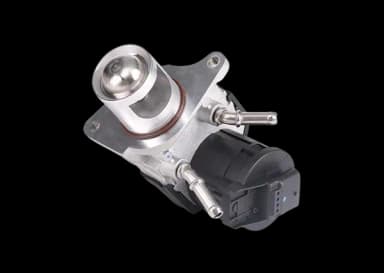
EGR Valve
Improve emissions & engine performance with our EGR valve replacements.
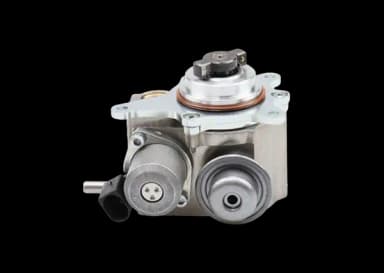
High Pressure Fuel Pump
Increase fuel delivery efficiency with our high-pressure fuel pump services.
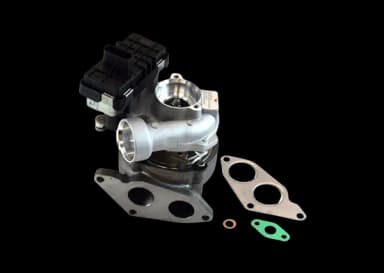
Turbo
Increase your vehicle’s power with our precision-engineered turbo installations.
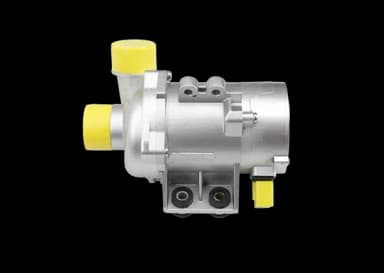
Water Pump
Keep engine cool and running smoothly with our water pump service.
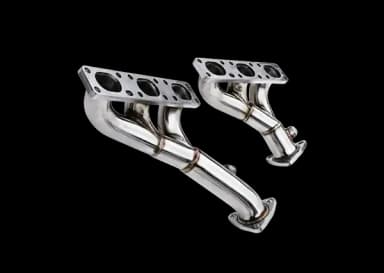
Exhaust Manifold
Boost engine efficiency with our tailored exhaust manifold replacements.
What Actually Happens During Timing Belt Replacement
Timing belt replacement is a precise job, and getting it right the first time matters far more than with most other routine maintenance work. We begin by confirming the correct belt specification and interval for your specific engine, since even similar models can carry different requirements. The old belt, along with tensioners and pulleys, is removed carefully to avoid disturbing engine timing. The new belt is fitted and tensioned to exact manufacturer specification, with engine timing verified before the job is considered complete. We also inspect related components like the water pump while access allows. Once fitted, we test the engine thoroughly to confirm everything is running correctly before handing your vehicle back.
Why Timing Belts Fail Without Much Warning
Unlike many mechanical faults that build up gradually with noticeable symptoms, a timing belt can fail suddenly, even on a vehicle that seemed to be running perfectly beforehand. Rubber composite belts degrade internally with age and heat cycling, meaning the outside can look acceptable while the internal structure is close to failure. This is why manufacturer intervals exist based on time and mileage, not visible wear alone. Waiting for a warning sign before replacing a timing belt is a genuine gamble, since the first sign is often the belt actually breaking while driving. Sticking to the recommended interval is the only reliable way to avoid this risk entirely.
Timing Belt, Timing Chain, or Wet Belt — Know the Difference
Not every engine uses the same timing system, and understanding which one your vehicle has changes how it should be maintained. Conventional timing belts are rubber composite and require replacement at set intervals. Timing chains are metal and generally last much longer, though they can still wear over high mileage. Wet belts run inside the engine oil and behave differently again, often needing closer monitoring due to how they degrade. We identify exactly which system your vehicle uses before recommending any work, ensuring you're getting the right service rather than a generic belt change that doesn't apply to your engine.
How Often Should a Timing Belt Actually Be Replaced
Manufacturer intervals exist for good reason, but they can vary considerably between makes, models, and even engine variants within the same range. Most conventional timing belts are recommended for replacement somewhere between 60,000 and 100,000 miles, or a set number of years, whichever comes first. Wet belt systems often carry different, sometimes shorter, effective intervals due to how they wear inside the oil. We check the correct interval for your exact vehicle rather than applying a generic rule of thumb, since getting this wrong in either direction carries real cost — too early wastes money, too late risks engine damage.
Why We Replace the Full Kit, Not Just the Belt
Replacing only the timing belt while leaving worn tensioners or an ageing water pump in place is a common shortcut that often leads to a repeat job sooner than expected. Tensioners and pulleys wear alongside the belt itself, and a failing tensioner can cause a brand-new belt to fail prematurely. The water pump, often driven by the same belt, is frequently near the end of its life by the time a timing belt interval comes around. Replacing these components together, while the engine is already accessible, avoids paying for the same labour twice within a short period. That approach is standard practice on every timing belt job at our Grays workshop.
Timing Belt Considerations for Range Rover and Land Rover Engines
Timing systems on modern Range Rover and Land Rover engines vary considerably between models, from conventional belts to wet belt designs with their own specific maintenance needs. Getting the interval and specification right matters more on these platforms than on a typical mainstream vehicle, given the cost and complexity of the engines involved. A generic approach borrowed from a different manufacturer's guidelines can lead to premature replacement or, worse, missing a genuinely shorter interval. Our technicians work specifically with Land Rover's documented specifications for each engine variant, ensuring your timing belt service matches what your particular vehicle actually needs. That model-specific knowledge protects against both unnecessary cost and avoidable engine damage.
What Happens If a Timing Belt Snaps While Driving
A snapped timing belt doesn't just leave you stranded — on many engines, it causes serious internal damage the moment it happens, turning a routine maintenance job into a major repair bill. On interference engines, where pistons and valves share the same space at different points in the cycle, a broken belt allows them to collide, often bending valves or damaging pistons. This can mean a repair bill running into thousands rather than the cost of a scheduled replacement. Replacing the belt on time is, without exception, far cheaper than dealing with the consequences of it failing unexpectedly.
Why Timing Belts Fail
Without Much Warning
Unlike many mechanical faults that build up gradually with noticeable symptoms, a timing belt can fail suddenly, even on a vehicle that seemed to be running perfectly beforehand.
Rubber composite belts degrade internally with age and heat cycling, meaning the outside can look acceptable while the internal structure is close to failure. This is why manufacturer intervals exist based on time and mileage, not visible wear alone.
Waiting for a warning sign before replacing a timing belt is a genuine gamble, since the first sign is often the belt actually breaking while driving.
Sticking to the recommended interval is the only reliable way to avoid this risk entirely.
Book Your Timing Belt Replacement in Grays
Protect your engine from a serious and entirely preventable failure with a timing belt replacement carried out to exact manufacturer specification.
Frequently Asked Questions
How often should a timing belt be replaced?
What happens if a timing belt snaps?
How much does timing belt replacement cost?
How long does timing belt replacement take?
Do you replace timing belts for all makes and models?
Should I replace the water pump at the same time?
Latest Videos from Vogue Fix My Motor
See our engine repairs, customer feedback, and workshop updates from our Grays, Essex garage.

Range Rover Engine Repair | Vogue Fix My Motor | Grays Essex
Mar 15 2025

Ford Kuga Engine Rebuild | Customer Feedback | Vogue Fix My Motor
Jul 1 2025
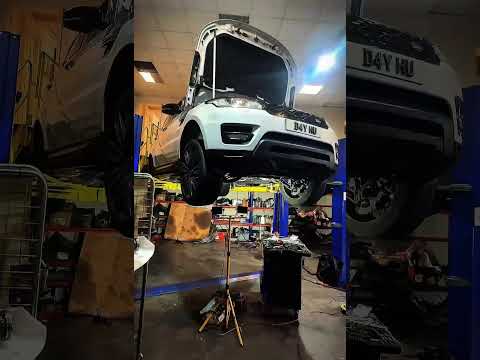
Workshop Tour | Range Rover Engine Specialist | Vogue Fix My Motor
Jan 30 2026

Range Rover Engine Problems Resolved | Customer Review | Vogue Fix My Motor
Jul 12 2023
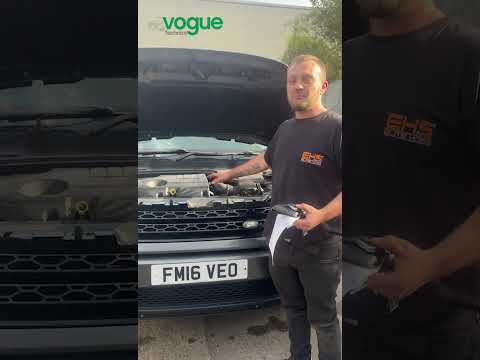
Range Rover Timing Chain Repair | Happy Customer | Vogue Fix My Motor
Aug 4 2025

Range Rover Evoque Engine Repair | Customer Feedback | Vogue Fix My Motor
Jun 2 2025

Feel Free to call us in working hours Mon -Fri (9:00 AM –– 6:00 PM). Our team will be happy to help answer your queries
Services
Work Hours
9 AM - 6 PM, Monday - Friday
7AM - 2 PM , Saturday[email protected]
-
Unit 1D Hedley Ave, Grays RM20 4EL United Kingdom
Copyright © 2026 voguefixmymotor